
Captain Rashid Hosseini adjusted his binoculars as another oil tanker appeared on the horizon, its massive hull cutting through the choppy waters of the Persian Gulf. For twenty-three years, he’d navigated these same shipping lanes, but never had he felt the tension that now gripped every vessel passing through the Strait of Hormuz.
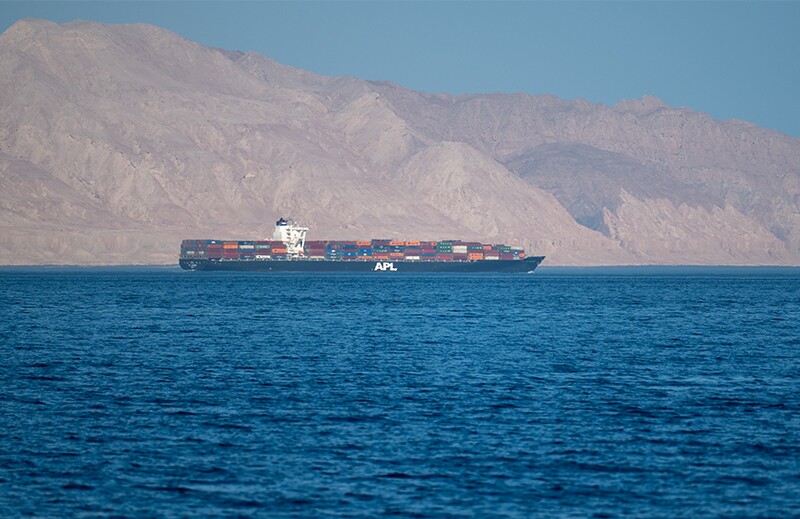
“Another day, another gamble,” he muttered to his first mate, watching Iranian patrol boats shadow a Kuwaiti oil carrier in the distance. The narrow waterway that once felt like a familiar highway now resembled a powder keg, where every radio crackle could signal the next international incident.
What Captain Hosseini witnesses daily has become the new reality for one of the world’s most critical chokepoints—Iran is systematically leveraging regional chaos to tighten its grip on the Strait of Hormuz, threatening global energy security in ways we haven’t seen in decades.
Why Iran’s Hormuz Strategy Matters More Than Ever
The Strait of Hormuz isn’t just another body of water—it’s the jugular vein of global energy transport. Nearly 30% of all seaborne oil passes through this narrow, 21-mile-wide channel between Iran and the Arabian Peninsula. When Iran flexes its military muscle here, gas prices in Ohio spike, and manufacturing costs in Germany climb.
Iran’s current strategy represents a calculated escalation. Rather than outright blockading the strait, which would invite immediate international retaliation, Tehran is employing what military analysts call “gray zone warfare”—actions that stay just below the threshold of open conflict while maximizing disruption.
Iran knows it can’t win a conventional war, but it can make the cost of confrontation so high that the world thinks twice about pressuring them.
— Dr. Elena Rodriguez, Maritime Security Institute
The timing isn’t coincidental. With ongoing conflicts in Ukraine affecting European energy supplies and tensions rising across the Middle East, Iran sees an opportunity to leverage chaos for maximum strategic advantage.
Iran’s Multi-Layered Approach to Controlling Hormuz
Iran’s strategy extends far beyond traditional naval patrols. The Islamic Republic has developed a sophisticated, multi-domain approach that makes international response incredibly complex.
Key Elements of Iran’s Hormuz Strategy:
- Deployment of fast attack craft and missile boats in unpredictable patterns
- Installation of anti-ship missile batteries along the Iranian coastline
- Use of proxy forces to harass commercial shipping
- Cyber attacks targeting port infrastructure and shipping communications
- Mining capabilities that could be deployed within hours
- Drone swarms for surveillance and potential attacks
| Iranian Naval Assets in Hormuz Region | Estimated Numbers | Primary Threat Level |
|---|---|---|
| Fast Attack Craft | 150+ | High |
| Missile Patrol Boats | 40+ | Very High |
| Coastal Missile Sites | 12-15 | Critical |
| Naval Mines (Stockpiled) | 2,000+ | Extreme |
| Combat Drones | 200+ | High |
What makes Iran’s approach so dangerous is its unpredictability. They’re not following conventional naval doctrine—they’re writing their own playbook.
— Admiral James Mitchell, Naval War College
The Iranian Revolutionary Guard Corps Navy (IRGCN) operates independently from Iran’s regular navy, creating dual command structures that make their actions harder to predict or counter. This organizational chaos actually serves Iran’s strategic interests, as it creates plausible deniability for more aggressive actions.
The Real-World Impact on Global Commerce
Every time Iranian forces conduct “exercises” or shadow commercial vessels, the ripple effects reach far beyond the Persian Gulf. Insurance rates for tankers transiting Hormuz have increased by 40% in the past six months alone.
Major shipping companies are already rerouting vessels around Africa’s Cape of Good Hope, adding 15-20 days to journey times and hundreds of thousands of dollars in additional fuel costs per voyage. These expenses ultimately get passed down to consumers worldwide.
We’re seeing supply chain managers dust off contingency plans they hoped they’d never need. The question isn’t if Iran will escalate further, but when.
— Sarah Chen, Global Logistics Analyst
Industries Most Vulnerable to Hormuz Disruption:
- Petroleum refining and distribution
- Petrochemical manufacturing
- Aviation fuel supply chains
- Liquefied natural gas transport
- Regional food imports (Middle East and Asia)
- Manufacturing dependent on Gulf-sourced materials
The economic calculations are staggering. A complete closure of Hormuz for just one week could remove approximately 17 million barrels of oil from global markets daily, potentially driving crude prices above $200 per barrel.
What Happens Next?
International responses are being crafted in capitals from Washington to Beijing, but Iran’s strategy is designed to exploit the complexity of multilateral decision-making. While the U.S. Navy maintains a constant presence in the region, any military escalation could trigger exactly the kind of broader conflict Iran believes will ultimately serve its interests.
European nations, heavily dependent on Middle Eastern energy, are pushing for diplomatic solutions even as their navies quietly reinforce Gulf patrols. China, as Iran’s largest oil customer, finds itself in the awkward position of needing to protect shipping lanes while maintaining its strategic partnership with Tehran.
Iran is betting that the international community will choose economic pain over military confrontation. So far, that bet is paying off.
— Dr. Ahmed Hassan, Middle East Policy Center
The next few months will likely determine whether Iran’s gambit succeeds in reshaping Middle Eastern power dynamics or triggers the kind of international response that could devastate its economy and military capabilities.
For now, captains like Rashid Hosseini continue navigating these increasingly treacherous waters, knowing that their daily voyages have become unwitting participants in a high-stakes geopolitical chess match with global consequences.
FAQs
Could Iran actually close the Strait of Hormuz completely?
Yes, but probably not for long. Iran has the military capability to disrupt shipping for days or weeks, but a complete closure would invite massive international retaliation.
How would a Hormuz closure affect gas prices in the U.S.?
Even a partial disruption could increase U.S. gas prices by $1-2 per gallon within weeks, despite America’s reduced dependence on Middle Eastern oil.
Are there alternative routes for oil shipments?
Yes, but they’re much longer and more expensive. The main alternative is shipping around Africa’s Cape of Good Hope, which adds 2-3 weeks to delivery times.
What role do Iran’s proxies play in this strategy?
Iranian-backed groups can harass shipping and conduct attacks while giving Iran plausible deniability, making international response more complicated.
How are other countries preparing for potential Hormuz disruptions?
Many nations are increasing strategic petroleum reserves, diversifying energy suppliers, and quietly reinforcing naval assets in the region.
What would it take to reopen Hormuz if Iran closed it?
A major international military operation involving minesweeping, air strikes on coastal positions, and sustained naval patrols—essentially a limited war.

Lisa is a seasoned financial analyst and writer specializing in the industry sector. With a background in economics and over a decade of experience covering global financial markets, Lisa offers expert commentary on the economic factors influencing the oil and gas industry.